Gifts become better as add-ons when the extra item removes friction, completes an activity, adds personal meaning or gives the main present more ways to be enjoyed. Think tablet plus stand, travel bag plus organiser, board game plus a quick companion game, or photo frame plus an actual photo.
The trick is to support the present already chosen-not toss a random small object into the basket and hope proximity creates chemistry. Start with the main gift, identify what would make it easier or more enjoyable to use, then choose the category that fills that gap.
A useful add-on has one clear job
An add-on is not a generic gift type. It is a role an item plays beside the main present. The same notebook might be a main gift for one person, a useful companion to a planner for another, or completely unrelated basket filler for someone who does everything digitally.
Strong add-ons generally do one of four jobs:
- Remove friction: A stand, organiser, light or carrying accessory makes the main gift easier to use.
- Complete the setup: A serving tool, storage solution or game-night helper turns an object into a ready-to-use experience.
- Add personal meaning: A photo, display piece or carefully chosen keepsake connects the gift to a shared memory.
- Extend the fun: A compact game, puzzle or activity gives the recipient another way to enjoy the occasion.
Use the one-sentence test before adding anything to your basket: "This goes with the main gift because..." If the answer is clear and specific, the pairing probably works. If the explanation sounds like "it was small and sort of nearby", release it back into the gift wilderness.
Pair the support category with the main gift
The easiest way to choose an add-on is to work outwards from the main present. Look at how, where and how often the recipient will use it. Then select a support category that improves that particular moment.
| Main gift | Details |
|---|---|
| Phone, tablet or other gadget |
Useful support categories: Stand, cable organiser, screen-care item, storage or carrying accessory Why the pairing works: Makes an existing device easier to use, place or maintain Check before choosing: Device dimensions, ports, case fit and charging requirements |
| Book or e-reader |
Useful support categories: Clip light, stand, bookends or reading notebook Why the pairing works: Supports the recipient's reading routine rather than adding another title to the pile Check before choosing: Whether they read in bed, travel or prefer digital notes |
| Board game or puzzle |
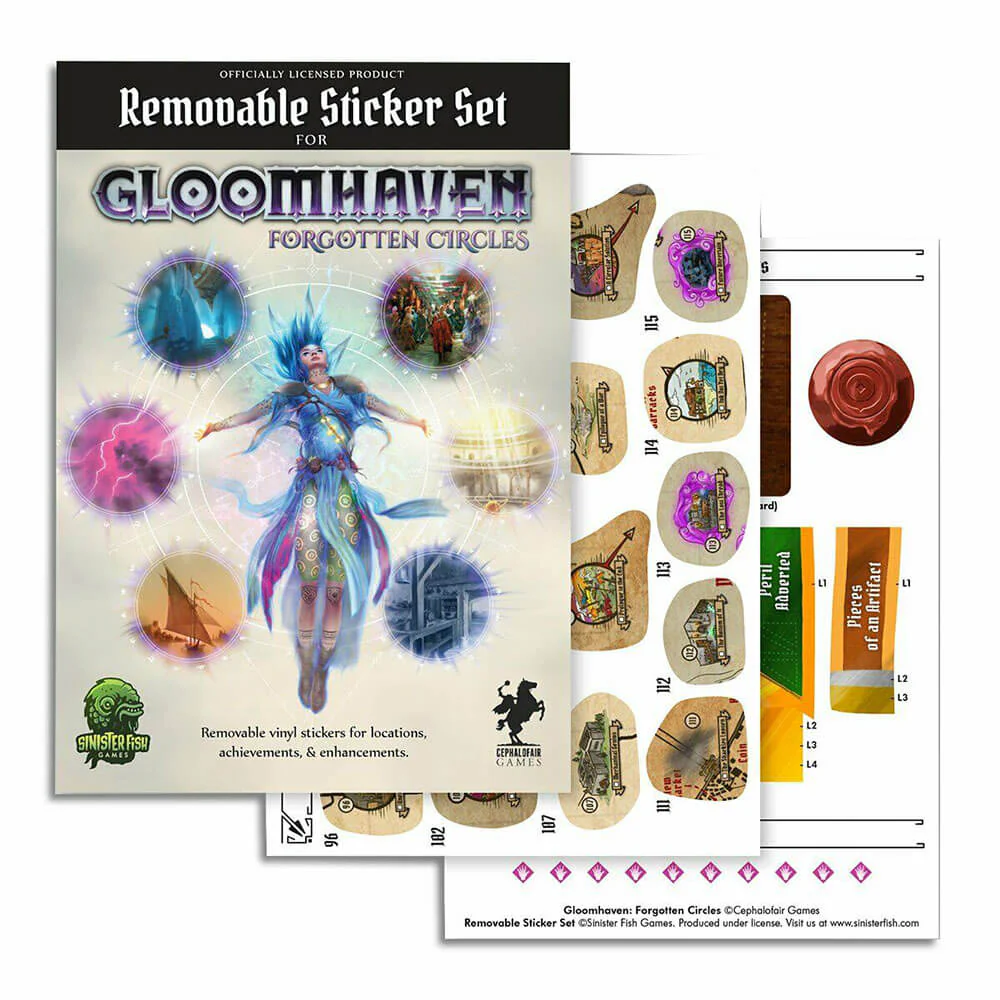
Useful support categories: Compact companion game, puzzle organiser, scorekeeping helper or game-night accessory Why the pairing works: Creates a fuller social or quiet-night activity Check before choosing: Player count, age suitability, storage and complexity |
| Kitchen or entertaining gift |
Useful support categories: Timer, cookbook stand, serving tool or bottle opener Why the pairing works: Helps the recipient use the main gift straight away Check before choosing: Cooking habits, storage space and whether the tool suits their setup |
| Travel or outdoor gift |
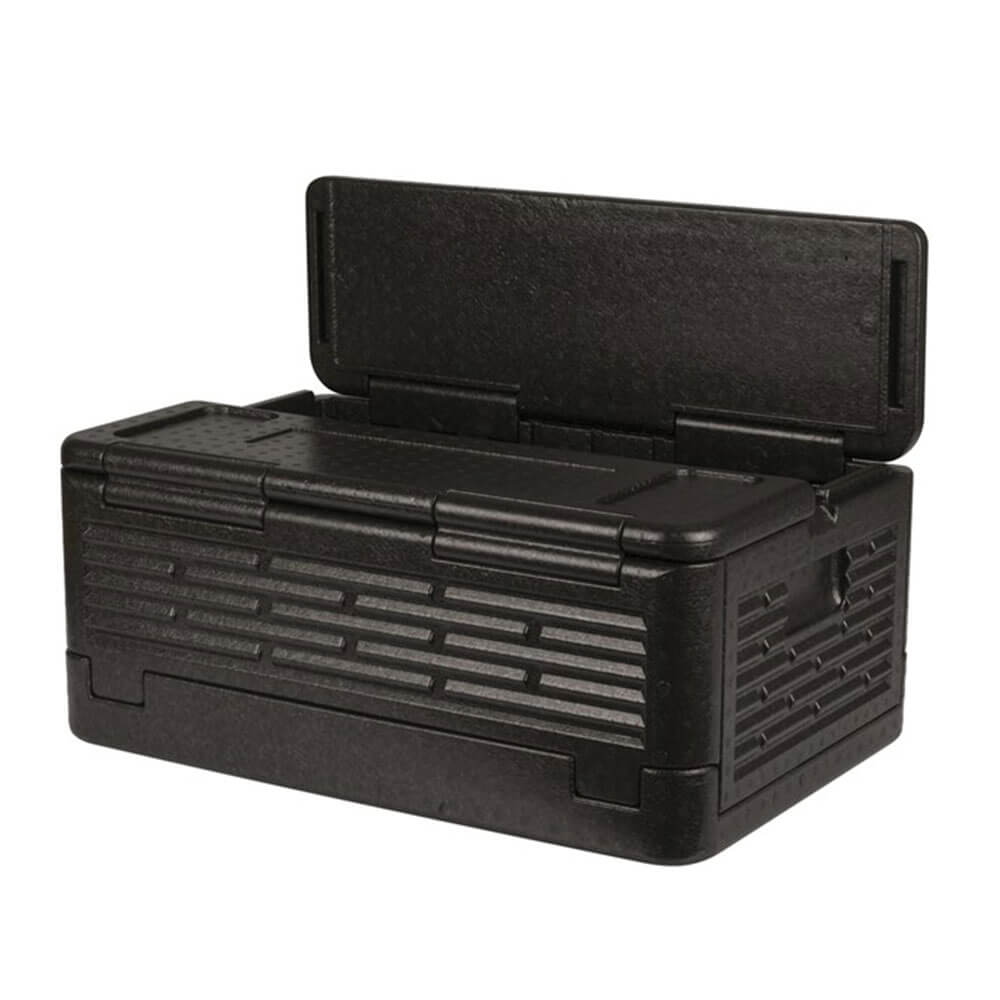
Useful support categories: Packing organiser, drink bottle, torch, cooler bag or picnic helper Why the pairing works: Solves the practical details around leaving home Check before choosing: Size, weight, transport restrictions and existing gear |
| Desk or stationery gift |
Useful support categories: Pen, organiser, desk light or file storage Why the pairing works: Turns one attractive item into a more usable workspace Check before choosing: Desk size, work style and whether clutter is already the enemy |
| Photo or memory gift |
Useful support categories: Frame, display stand or printed image Why the pairing works: Gives the keepsake context and makes it ready to display Check before choosing: Décor taste, available display space and photo quality |
| Tool or DIY gift |
Useful support categories: Compact utility tool, case, key organiser or task light Why the pairing works: Supports quick jobs without duplicating a full toolkit Check before choosing: What they already own and where the item will be carried |
For gadget-led presents, start by browsing electronics and gadgets with a support job in mind: positioning, organising, carrying or maintaining. For an activity-led present, the family games collection can help you compare quick companion games with larger main-event options.
If they own the basic gadget, step sideways

When someone already owns the obvious item, buying another basic version usually creates a comparison contest you did not need. The replacement logic is simpler: keep the useful part of the idea, but move one category sideways.
Start with three questions:
- What do they already use?
- What is mildly annoying about using it?
- Which adjacent item fixes that annoyance?
A tablet owner may get more daily value from a tablet and cookbook stand than from another generic device-particularly if they follow recipes, watch videos or need a hands-free viewing position. Compatibility still matters, so check dimensions and intended placement rather than assuming every stand suits every setup.
The same sideways move works across other categories:
- They already own a phone: Consider a stand, cable organiser, storage solution or cleaning accessory instead of another electronic novelty.
- They already own a toolkit: Choose a compact everyday helper, such as a Keyring Screwdriver Set, rather than duplicating full-size tools.
- They already own a travel bag: Add packing organisation, a small light or another item that solves a repeat travel nuisance.
- They already own plenty of kitchen gadgets: Look at serving, storage or recipe-positioning accessories that help them use what they have.
- They already own a gaming device: Improve the desk or lounge setup-or choose an offline activity if their screen-time department is already fully staffed.
This approach feels more personal because it is based on observed behaviour. You are not merely buying "tech", "travel" or "kitchen". You are showing that you noticed how they use those things.
Choose a practical, playful or keepsake path
Once the support job is clear, decide what mood the add-on should create. Practical, playful and keepsake pairings can all work, but their category trade-offs are different.
| Path | Details |
|---|---|
| Practical |
Best suited to: Colleagues, relatives, busy people and recipients whose routine you know What it adds: Convenience and repeat use Main trade-off: Can feel impersonal if it is too generic Example pairing: Travel bag plus packing organiser |
| Playful |
Best suited to: Friends, families and social occasions What it adds: Surprise, interaction and an immediate reason to use the gift Main trade-off: Humour and game preferences vary Example pairing: Main board game plus a quick warm-up game |
| Keepsake |
Best suited to: Close relationships, milestones and memory-led occasions What it adds: Emotional meaning and display value Main trade-off: Requires confidence in taste, context and available space Example pairing: Photo frame plus a meaningful printed image |
A practical main gift can benefit from a playful add-on. A desk organiser paired with a small puzzle, for example, balances usefulness with a little personality. Likewise, a novelty-led main present can be steadied by something functional so the gift has a life after the first laugh.
Keepsake add-ons deserve more care. An empty frame can feel like an unfinished task; a frame containing a well-chosen photo feels intentional. A display item can be meaningful for a collector, but less delightful for a minimalist with one available shelf and seventeen competing objects.
If you want the gift to create a shared moment, compare activity options within family games. Choose by likely player count, setting and attention span-not simply by which box looks busiest.
Filter the pairing by recipient, occasion and budget

A clever pairing on paper can still miss if it ignores the person receiving it. Recipient fit comes first: where do they use the main gift, what do they already own, and how much setup will they tolerate?
Use these filters before committing:
- Routine: Choose something connected to an activity they already do, not the imaginary new lifestyle your gift may or may not launch.
- Space: Large organisers, display pieces and hobby accessories need somewhere to live.
- Taste: Neutral utility is safer for acquaintances; personal humour and keepsakes suit closer relationships.
- Life stage: A frequent traveller, new homeowner, student and downsizer may use the same category very differently.
- Public appropriateness: Workplace exchanges and group occasions call for broadly usable, non-embarrassing options.
Occasion pressure changes the balance. A milestone may justify a keepsake add-on, while a housewarming usually benefits from something immediately useful. For a party or family gathering, a playful activity can become part of the occasion rather than another object to take home.
Budget comfort matters too, but there is no magic spending ratio. The add-on should remain visibly supportive; if it outshines or confuses the main present, you have accidentally created a two-lead sitcom. For a modest extra, browse gifts under $30 by purpose rather than collecting several unrelated little things. One well-matched helper generally feels more considered than a fistful of fillers.
Check compatibility, clutter and hidden homework
Add-ons often carry more setup risk than they first appear to. Cases must fit, cables need the right connections, organisers need the right dimensions and game expansions may require a particular base game. A tiny accessory can create a surprisingly large "now I must work out what this does" moment.
Use this buyer-confidence check:
| Confidence check | Details |
|---|---|
| Who it suits |
Good fit: Someone who uses the main gift regularly, has a known hobby or has mentioned a practical nuisance Skip or adjust when: You are guessing at both the hobby and the problem |
| Who should skip |
Good fit: Most recipients can enjoy a restrained, relevant pairing Skip or adjust when: Minimalists, people with tightly curated setups or anyone whose main gift is already complete may prefer no add-on |
| Setup or compatibility risk |
Good fit: Low for broadly usable activities and carefully measured organisers Skip or adjust when: Higher for cases, cables, chargers, replacement parts and game expansions |
| Already owns the basic item |
Good fit: Choose a stand, organiser, maintenance item, display solution or activity that improves use Skip or adjust when: Avoid a second basic version unless you know it solves a specific shortcoming |
Before buying, run the pairing through this checklist:
- Can the recipient use the add-on with the main gift they actually own?
- Does it fit the available device, desk, shelf, bag or room?
- Does it require batteries, consumables, subscriptions or extra purchases?
- Is it easy to understand without a technical briefing?
- Does the recipient already own something that performs the same job?
- Will it create useful organisation-or merely become one more thing requiring organisation?
- Is the tone appropriate for your relationship and the occasion?
If any answer is uncertain, move towards a lower-risk support category. A simple activity, stand or general organiser is often safer than a model-specific accessory.
Avoid the add-on mistakes that make a gift worse

The most common add-on mistake is choosing by size or convenience rather than purpose. Small does not automatically mean suitable. A random mug does not improve a backpack, and a novelty keyring does not complete every gift simply because keys continue to exist.
Watch for these pairing traps:
- Category echo: Adding another version of the main gift instead of something that supports it.
- Main-gift competition: Choosing an extra that is more elaborate or attention-grabbing than the original present.
- Compatibility guessing: Assuming a case, cable, stand or expansion will fit without checking.
- Clutter multiplication: Giving storage or décor to someone with no available space.
- Unfinished sentiment: Giving a frame without a photo or a memory item without meaningful context.
- Hidden chores: Adding an item that needs assembly, ongoing purchases or a new routine the recipient did not request.
The safest fallback path is not "add something anyway". If you cannot identify a clear support job, let the main gift stand alone. Alternatively, use the LatestBuy gift guide to compare practical, playful and memory-led directions before choosing. A thoughtful pause beats enthusiastic basket confetti.
Frequently asked questions about add-on gifts
What is an add-on gift?
An add-on gift is a complementary item chosen to improve a main present. It may make the main gift easier to use, complete an activity, personalise the experience or extend its enjoyment. Its role comes from the pairing: a book light is an add-on beside a book, but it could be the main present for someone who already has a towering reading list.
How much should I spend on an add-on?
There is no fixed amount. Set a budget that keeps the main present clearly central and feels comfortable for the occasion and relationship. If the budget is tight, choose one extra with a clear job rather than several fillers. Relevance usually adds more perceived thought than quantity.
Can an add-on gift be given on its own?
Yes. Many add-on categories-organisers, stands, compact tools, games and keepsakes-can work as standalone gifts when they are substantial and relevant to the recipient. In that case, they are no longer functioning as an add-on; they have been promoted to main-present status.
What is a good add-on for someone who already has everything?
Improve something they already use instead of giving them another basic object. Look for a stand, organiser, display solution, compact utility item or activity linked to a known routine. The best clue is often a small inconvenience they have mentioned repeatedly.
Should add-ons be wrapped separately?
Wrap items together when the pairing is instantly obvious, such as a book and reading light. Wrap them separately when the add-on creates a small second reveal or needs a short explanation. If the connection is subtle, include a brief note explaining how the items work together.
Build a better pair, not a bigger basket
Start with the present already chosen and name the moment in which it will be used. Then pick one supporting category that makes that moment easier, more personal or more fun. Check recipient fit, compatibility, storage and budget comfort; if the pairing survives all four, it has earned its place.
Still deciding which direction to take? Explore top-selling gift ideas as a starting point, then apply the support-job test. Browse with a purpose, follow the most relevant category path and choose the extra that genuinely improves the gift-not merely the one that fits beside it.
For the next browse step, compare the fit against Gifts.