A good shared present gives both people something to do, not merely something to place on a shelf and jointly admire for seven seconds. The trick is to choose the activity before choosing the item.
Start with two facts: how much active participation time the pair can realistically give, and whether the present should create repeat enjoyment or preserve one memorable weekend. Those answers lead to a compact game, a half-day mission or a multi-stage weekend challenge-with far less chance of the gift becoming cupboard archaeology.
Start with the clock, not the gift category
A "weekend challenge" does not have to occupy an entire weekend. Active participation time matters more than the gap between Saturday morning and Sunday evening. A couple with children, shift work or a crowded social calendar may enjoy a 45-minute challenge far more than an ambitious itinerary that requires military-grade scheduling.
Use this decision tree before browsing:
- They have 30-90 minutes: choose a quick-start present that supports rounds, rematches or one compact collaborative task.
- They can give it two to four hours: choose a present that can anchor several stages, with room for a break between them.
- They want the weekend itself to be the event: choose a present that supports a beginning, middle and finale across two or three sessions.
- They want to use it again: favour resettable rules, variable play or an ongoing practical purpose.
- They want a record of the occasion: favour a present that collects, displays or preserves the outcome.
Be honest about recipient fit. A shared present only works when both people have a genuine role. If one person adores strategy and the other merely tolerates it, an intricate competitive challenge is not magically thoughtful because it came with ribbon. Find the common patch in the Venn diagram: solving, making, exploring, photographing, tasting, playing or laughing at minor disasters together.
For 30-90 minutes, build a quick-reset challenge
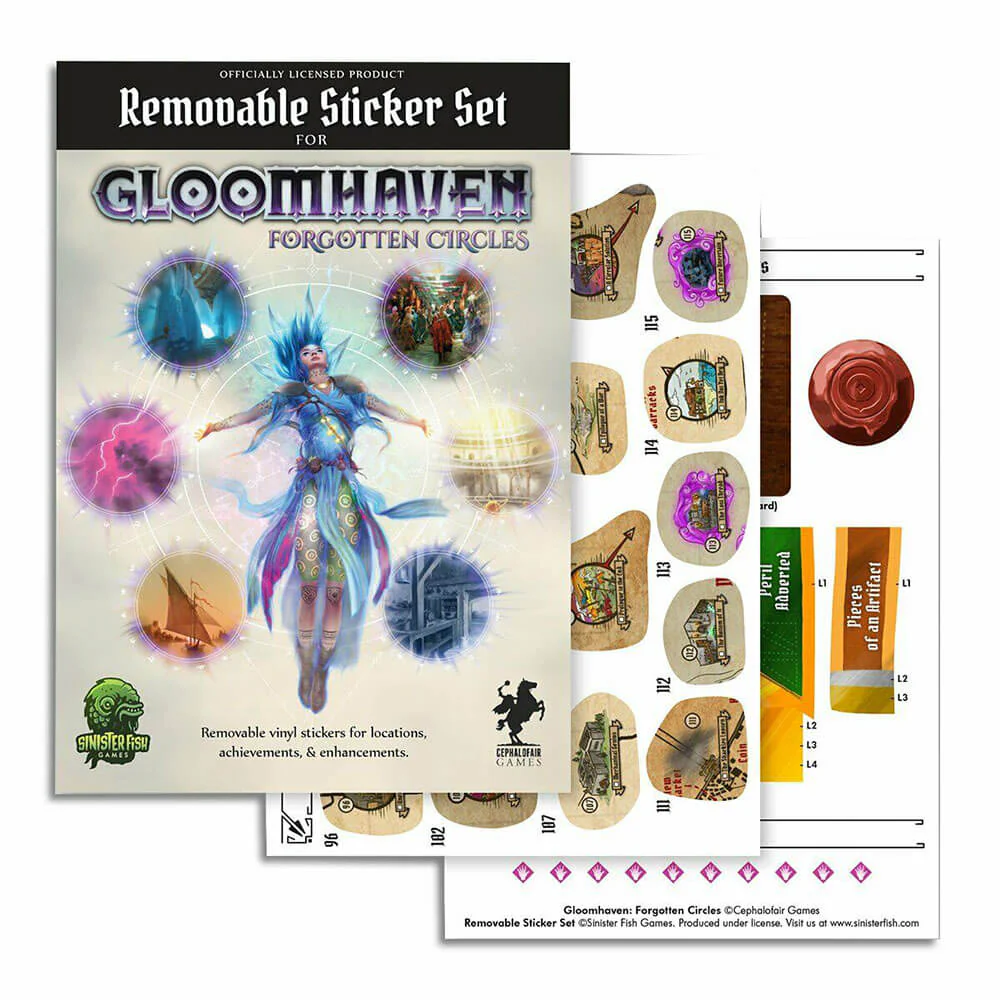
The short route suits busy couples, newer relationships and occasions where you want fun without hijacking the day. Look for an activity that can be explained quickly and completed in one sitting. Compact tabletop games, card games and puzzles are natural candidates, so the family games collection is a useful place to compare formats rather than guessing from packaging alone.
Before buying, check the product listing for participant numbers, estimated play time, set-up requirements and any age guidance. "Two or more players" does not necessarily tell you whether the experience works especially well with two, so read the available description carefully. If the relevant details are not stated, do not build a precisely timed plan around assumptions.
Turn the present into a challenge with one simple rule structure:
- Play a best-of-three or best-of-five series.
- Alternate who starts each round.
- Use a cooperative target if their skill levels differ.
- Set a light consequence for the result, such as choosing the film, snack or Sunday breakfast.
- Stop at the planned finish time, even if someone is demanding a dramatic recount.
For repeat enjoyment, look for a format that resets without replacement materials and offers more than one route through play. If the weekend matters more than replay, include a handwritten challenge card with the date and final score. That note is part of the presentation, not a second gift trying to steal the spotlight.
This route can also keep budget comfort under control. The present supplies the activity; the household supplies the snacks, music and venue. Browsing gifts under $30 can help when the challenge needs to feel considered without turning into an expensive production.
For two to four hours, create a half-day mission

A half-day challenge needs more shape than a single round but less machinery than a full itinerary. The present should remain central through several stages. A game might support a warm-up, main event and rematch. A practical gadget might prompt a build - and-test task, a photo mission or a small indoor experiment-provided both participants can use it and the listing confirms the relevant requirements.
A workable sequence is:
- Briefing: open the present, learn the rules and agree on the finish line.
- First attempt: play, build or complete the initial task without changing the rules halfway through.
- Twist: swap roles, add a time limit or change one condition.
- Finale: run one last attempt and record the result.
That is enough ceremony to make the present feel like an event, but not so much that the buyer has accidentally created unpaid project management. If you are considering electronics and gadgets, verify compatibility, power requirements, included components and intended operating conditions from the product information. A clever challenge stops being clever when Saturday is spent hunting for a cable or app the buyer assumed would be included.
Shared ownership also needs to be visible. Avoid a task where one person operates the present while the other watches. Alternate controls, assign complementary roles or choose a goal that requires both contributions. For couples with unequal experience, collaboration is usually easier to balance than direct competition; if they enjoy rivalry, use multiple short rounds so one early mistake does not decide the entire afternoon.
Repeat enjoyment depends on what remains after the challenge. A reusable game or functional gadget can return for another session if its normal use still appeals once the novelty has worn off. If the only entertaining part is your custom rule, the present may have a shorter life than the challenge card.
For a full weekend, make the present unlock three stages

Choose the full-weekend route only when the recipients enjoy planned activities and have enough open time to participate without feeling cornered by their own gift. The aim is not to occupy every waking hour. Two or three defined blocks usually create a better rhythm than an endless challenge hovering over breakfast.
Build the weekend around three stages:
- Friday or Saturday morning - the launch: reveal the present, explain the objective and let the pair choose roles.
- Saturday - the main challenge: complete the largest activity block, with an agreed pause point.
- Sunday - the finish: run a final round, assemble the result or preserve the best moments.
The present must do real work in every stage. A photo album, for example, can anchor a weekend image challenge: choose a limited number of themes, capture one image for each and select the final set together. A tabletop activity can become a small tournament with changing rules. An outdoor or travel-related item can support a local mission, but only if the product's stated use suits the planned setting.
The category trade-offs matter here. Games provide clearer rules but may become tiring across too many sessions. Keepsake formats create a lasting result but require the buyer to invent more of the activity. Gadgets can support exploration or making, although compatibility and set-up deserve extra scrutiny. If you know the couple's style but not the best category, use the LatestBuy gift guide to compare practical, playful and memory-making directions before committing.
Occasion pressure should influence the scale. A major anniversary may suit a more personal, carefully structured weekend. A housewarming or joint birthday can support something lighter and easier to repeat. Do not make travel, restaurant bookings or paid extras essential unless you have confirmed those arrangements separately. The shared present should still function if the weather turns, plans move or Sunday becomes a pyjama day.
At the second fork, choose replay or remembrance
Once the participation time is set, decide what the couple should still have after the weekend. This is the repeat-enjoyment fork, and it changes what counts as good value.
Choose replay when the pair enjoys returning to familiar activities. Look for a present with clearly stated support for two participants, manageable set-up and a format that can be reset. Multiple scenarios, variable starting conditions or different ways to play may support variety, but rely on the product description rather than assuming these features from the category. Check whether any components are consumed, whether extras are required and whether the item has a realistic storage place between uses.
Choose remembrance when the weekend itself is the main event. Photo albums, journals and display-oriented gifts can turn the challenge into an object the couple revisits later. In this branch, check dimensions, capacity, page or insert format and any care information provided. The activity should generate material worth keeping: selected photos, short captions, scores, sketches or a record of completed tasks. Otherwise, the gift risks becoming an empty container with excellent intentions.
Choose a hybrid only when the couple genuinely values both. A resettable activity can be played again while one score sheet, photo or written result preserves the first weekend. Keep the memento small so the shared present remains the centre of gravity.
If you are still choosing between formats, top-selling gifts can provide useful category inspiration. Treat popularity as a browsing cue, not proof of personal fit. A widely chosen present can still miss if one recipient dislikes the activity, the set-up is too demanding or the item has nowhere sensible to live.
Write the weekend into the gift before you wrap it

Do not hand over an activity present with a cheerful "you two should do something with this". Give the challenge a start, a finish and just enough structure to make beginning easy. A short card inside the wrapping can state:
- the challenge objective;
- the expected active time;
- where it can happen;
- how each person participates;
- what counts as completion;
- what happens if they want to pause.
Keep the tone invitational rather than bossy. The recipients should be able to move the timing, simplify a rule or switch from competitive to collaborative play. A shared present is meant to create a good weekend, not test compliance with the buyer's master plan.
Before wrapping, run one final practical review using the actual product information. Confirm that the present suits two participants, fits the available time, does not depend on unmentioned accessories and has an enjoyable purpose after the planned challenge. Consider space, noise, mobility, weather and skill differences where relevant. Avoid assumptions about alcohol, travel, physical ability or how sentimental the couple wants the occasion to be.
The best version is pleasingly simple: one present, one clear idea and two people who can both join in. Start with the couple's available time, choose whether the gift should reset or preserve the moment, then browse the wider LatestBuy gift range with that branch in mind. Suddenly, the rabbit hole has signposts - and the weekend has a plan.
For the next browse step, compare the fit against electronics and gadgets.